[SSU University Guest Lecture] The Surprising Connection Between Architecture and PR!? Nihon University College of Industrial Technology Professor Fujimoto and SSU Director Matsumoto Discuss
Hello! I am Oku, a planner.
This marks the third year of guest lectures at Nihon University, following an invitation from Professor Toshiaki Fujimoto of the Department of Architecture and Architectural Engineering at Nihon University College of Industrial Technology.
|
《Nihon University College of Industrial Technology, Department of Architecture and Architectural Engineering》 Official Website: https://www.arch.cit.nihon-u.ac.jp/ |
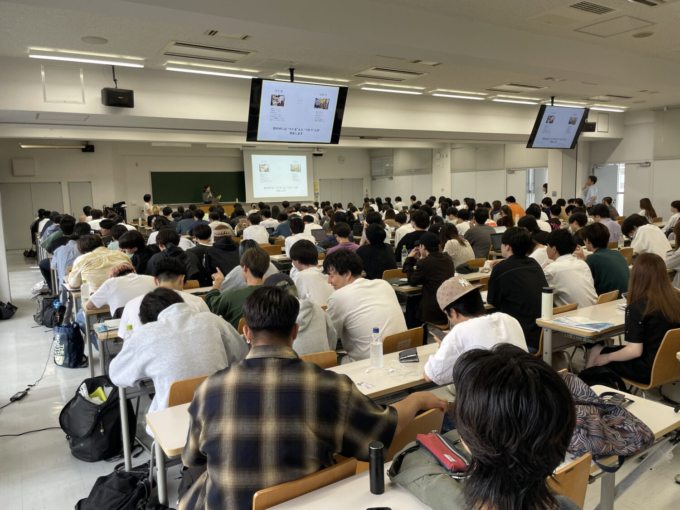
Once again, we had the opportunity to lecture students from the Department of Architecture and Architectural Engineering on “PR-oriented thinking”!
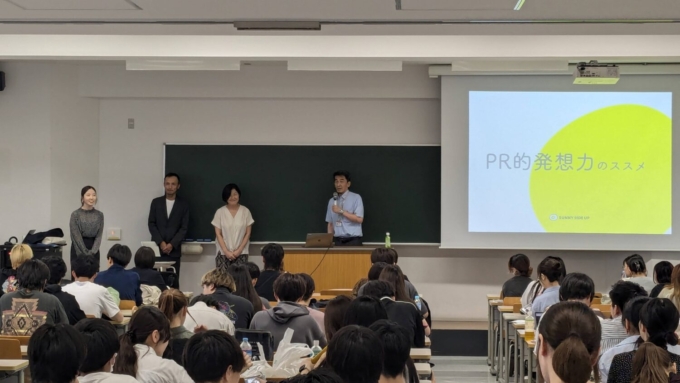
“Architecture” and “PR.”
At first glance, they may seem unrelated, but they are actually deeply connected!
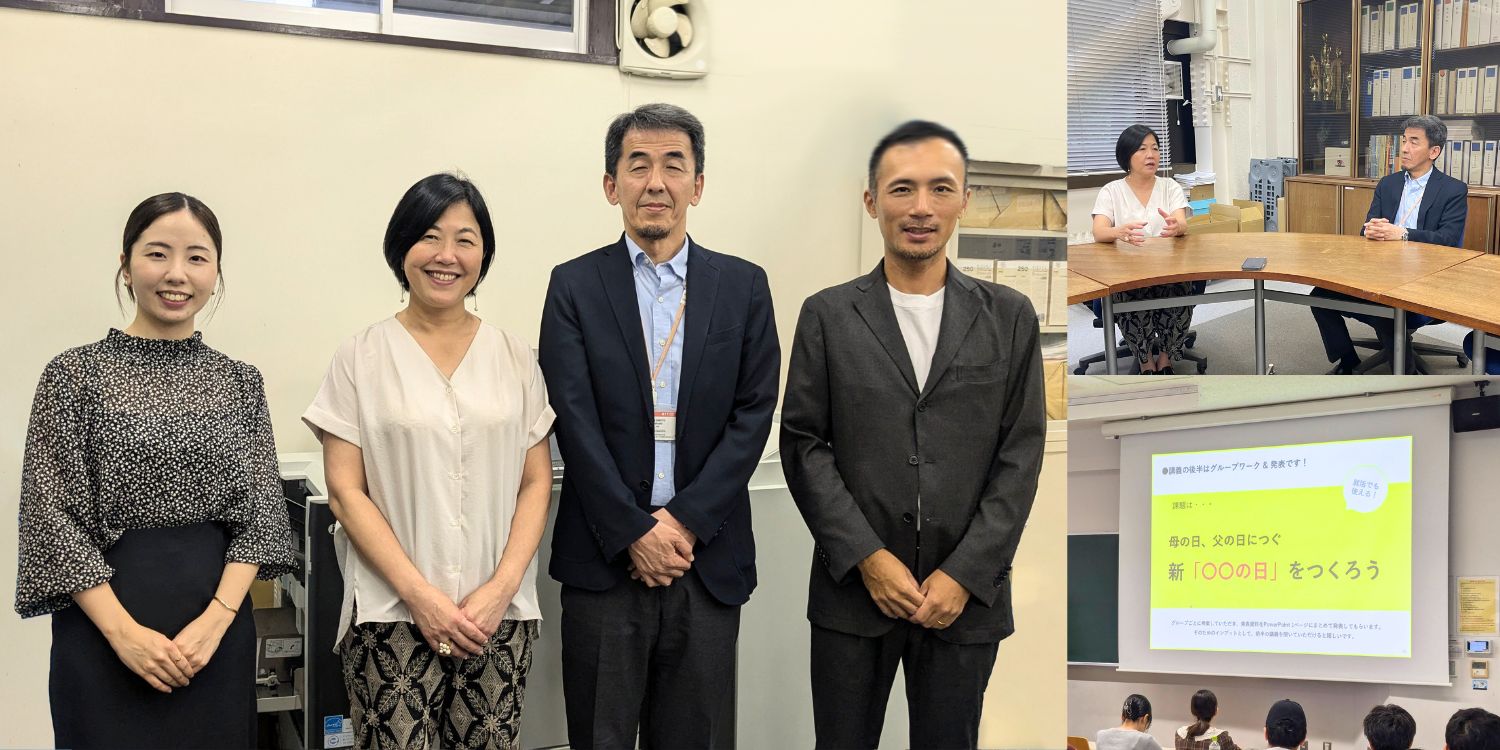
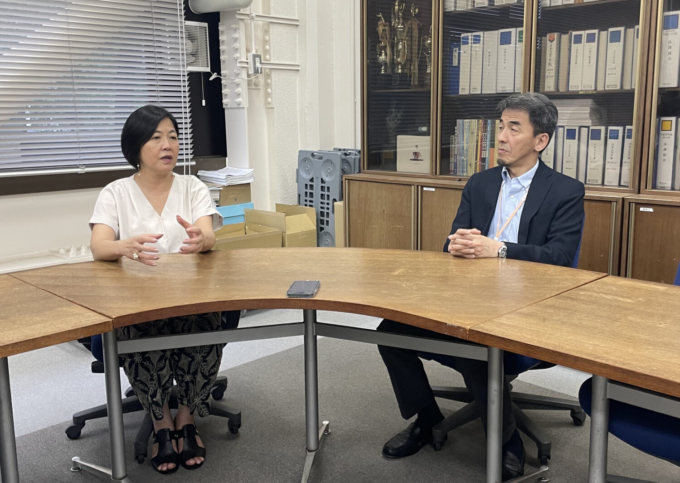
Professor Fujimoto and SUNNY SIDE UP Director Rie Matsumoto passionately discussed the relationship between “Architecture” and “PR”!
|
Toshiaki Fujimoto Rie Matsumoto |
PR plays an important role in architecture as well
——Please tell us again about the purpose of this lecture.
Professor Fujimoto (hereinafter, Fujimoto): This class is part of our career education program. Since the third-year students who attend are at a stage where they are thinking about their future, we implement various experiences to help broaden their perspectives.
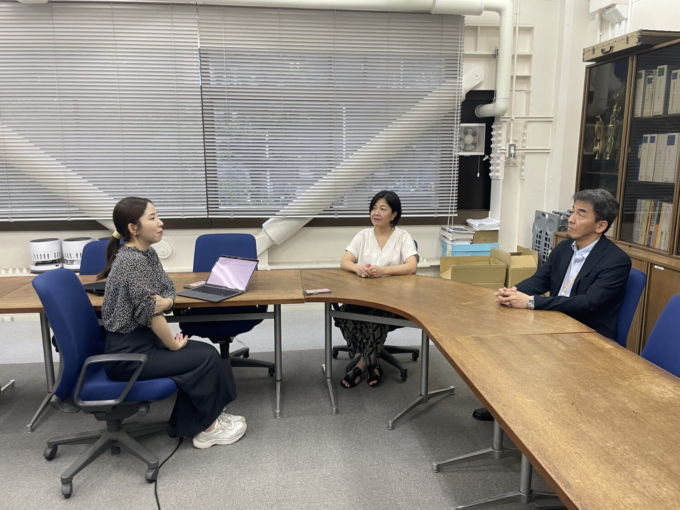
——Please tell us how you came to request a guest lecture from SUNNY SIDE UP.
Fujimoto: Actually, Matsumoto is my junior from high school, and I had been hearing about her achievements at alumni gatherings and such. When I learned that she also serves as a part-time university lecturer, and after visiting her company once, I thought I would definitely like to request something.
The first time I made the request three years ago was when students were able to return to school after the COVID-19 pandemic, and I keenly felt that students were not accustomed to communicating with each other. Also, while group work among university students is typically avoided, when we implemented it, we received many comments saying it was “fun.” So I thought about whether we could implement group work that would lead to their future, and I consulted about a guest lecture.
——What kind of connection exists between “Architecture” and “PR”?
Matsumoto: PR involves projects across various genres, but SUNNY SIDE UP in particular receives many requests related to facilities. When a company builds and opens a facility, there needs to be a person or company that plays the role of “communicating” about that facility to get the general public to visit. Also, when considering PR strategies for communication, there are various perspectives: the significance, background, and history of the facility, as well as architecture, art, tourism resources, infrastructure, dining, and more.
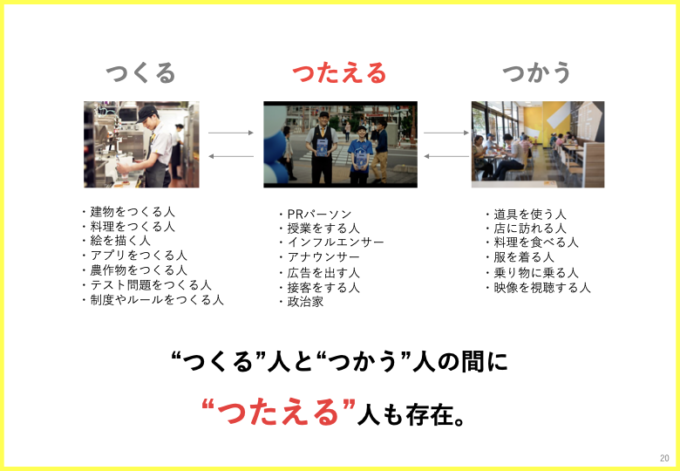
During the lecture, when I asked who had been to “Harakado” or “Azabudai Hills,” many students raised their hands, and I thought, “That’s impressive.” Architecture is one of the important elements when doing PR for facility-related projects, so I would be happy if they could feel that connection.
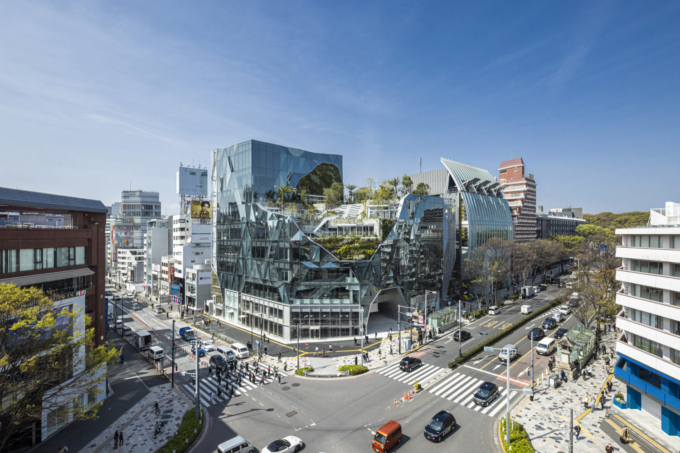
Tokyu Plaza Harajuku “Harakado”
|
PR Case Study: Tokyu Plaza Harajuku “Harakado” Opening PR |
——How was it conducting the lecture?
Matsumoto: In this class, we implemented group work on the theme “Create a new ‘〇〇 Day’ following Mother’s Day and Father’s Day.”
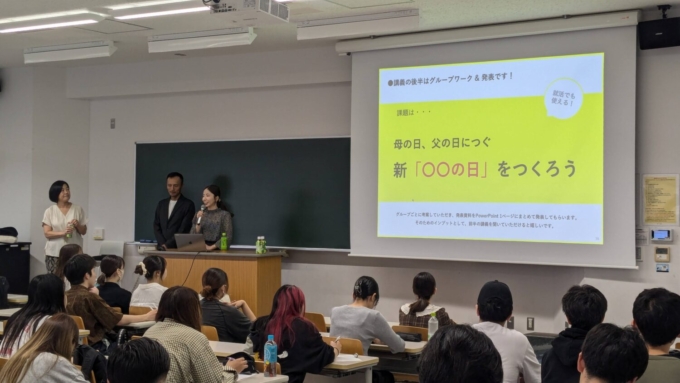
Rather than just coming up with ideas, by having them present “how to spread it,” we enable them to think deeply about “what kind of wording would be good to make the idea acceptable” and “whether the idea aligns with the theme in the first place.”
During the lecture, I told them to “make the target specific,” and I believe that “thinking with the recipient in mind” is an absolutely useful perspective.
Even when looking at entry sheets for new graduate recruitment, there are many people whose “way of communicating is a missed opportunity.” So I hope that through this class, I was able to provide hints that will also be useful for job hunting.
Fujimoto: Architecture is a collaborative work created by people from various fields coming together, so discussing with others in group work is extremely important. It was a good time to see different sides of students than usual.
Matsumoto: Indeed, they seemed accustomed to group work. The division of roles went smoothly as well.
The PR industry definitely offers opportunities to leverage what you have studied and what you love, so I would like science students to also take an interest in PR and communication work. I would be very happy if science students, engineering students, and architecture students with PR-oriented thinking go out into the world.
——What do you expect from students now that they have acquired PR-oriented thinking?
Fujimoto: PR cannot be done without understanding the essence and strengths of something. I hope they will use this as an opportunity to brush up by searching for strengths and reviewing areas that are lacking.
Matsumoto: I want students to “deepen their thinking,” and I often ask in recruitment interviews, “What have you been thinking about most recently, aside from job hunting?” As Fujimoto mentioned, PR is work that starts with knowing something, and then searching for differences from others and thinking about why it is necessary in order to communicate it more broadly.
If you are just passively receiving what someone has communicated, you cannot grasp the intent. But information always has intent, so I hope they will be conscious of thinking deeply so they can discern that.
This marks the third year of SUNNY SIDE UP’s guest lectures. We hope the surprising connection between “Architecture” and “PR” has been conveyed.
Thank you to Professor Fujimoto and all the students who attended!