Professor Side’s “Not in the Textbooks” PR Course Vol. 6 | Newspapers (Regional Papers)
It has been a while. I am Professor Side.
In this session, I will discuss regional newspapers.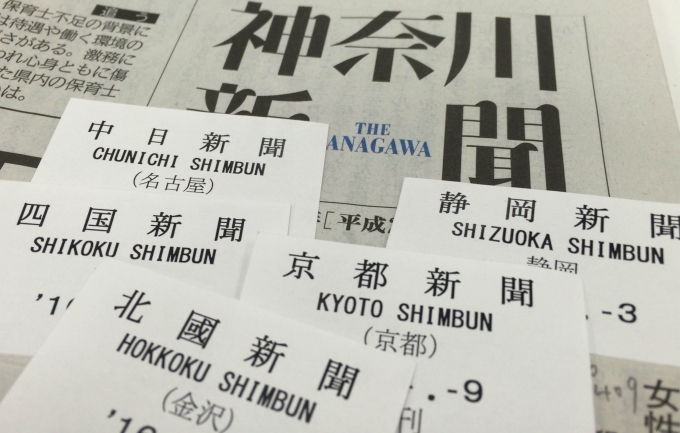
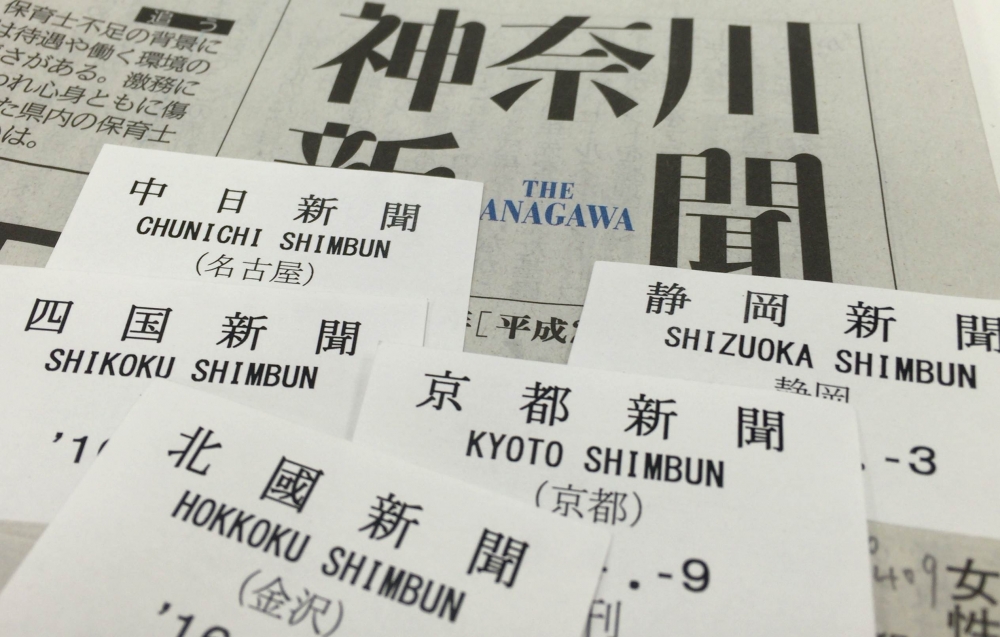
Newspapers published in specific regions or prefectures are broadly divided into two categories. One is “block newspapers,” which are published over a wider area than typical regional papers. Representative examples include the Hokkaido Shimbun, Chunichi Shimbun, and Nishinippon Shimbun.
In addition, there are one or two regional newspapers in each prefecture. Both block and regional newspapers offer more extensive local news coverage than national newspapers. Prefectures are divided into detailed sections within the paper, covering not only local politics and economics but also many news items that national papers do not carry, such as local festivals and volunteer activities. A particularly significant difference from national papers is the volume of obituaries. Regardless of occupation or title, numerous obituary notices for ordinary elderly citizens are published. Because interpersonal ties are strong in regional areas, information regarding the dates and times of wakes and funerals for those who have helped others in the past is considered highly valuable.
In many regions, these block and regional newspapers boast higher circulation numbers than national papers like the Asahi Shimbun. The metric for which newspaper sells best in a given prefecture is known as “market share.” The higher this share, the larger the circulation in that specific region or prefecture. Papers such as the Hokkaido Shimbun, Hokkoku Shimbun, Kyoto Shimbun, and Shizuoka Shimbun are regional newspapers with high market shares. While it is easy to overlook both block and regional newspapers when living in urban areas, purchasing them while traveling and engaging with news unique to those regions will help deepen your understanding of regional media.