Does the world run on “words”? What’s the difference between a press release and a newsletter?
“SSU’s PR Method” is a series that unpacks PR approaches and branding know-how suited to today’s times.
“I often hear terms like ‘press release’ and ‘newsletter,’ but I don’t really understand the difference…” For those of you who feel that way, this time we will introduce the characteristics of both “press releases” and “newsletters,” along with tips on how to write them.
Previous PR Method articles are available here.
■ Differences between press releases and newsletters
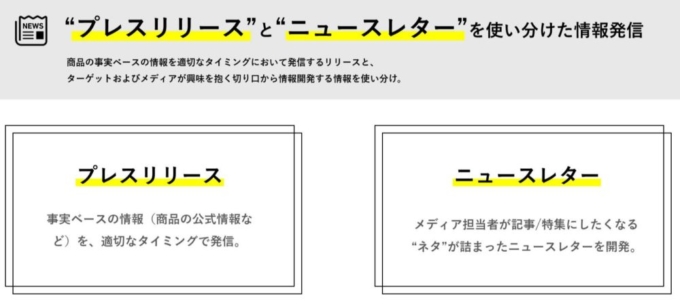
To summarize each of their features briefly:
A press release is “an official document in which a company or organization communicates ‘new information’ to members of the press.” It is a fact-based compilation of information that the originating organization (company/organization) has determined should (or wants to) be shared with the public—such as “information about a new product launching this spring” or “information about a new store opening.”
A newsletter, on the other hand, is “a document that compiles information that the media (and, beyond that, consumers) are seeking at a given time—such as social needs, trends, and seasonal events.” The key is whether you can find an angle that makes media contacts want to turn it into an article or feature.
Now, let us take a closer look at each.
■ Characteristics of a press release
A press release refers to the materials needed to announce previously unpublished information to multiple outlets at once.
It is a document used to communicate “officially, the same information, at the same time, to multiple media outlets.”
The recipient media vary widely—TV, newspapers, magazines, the web, and more—and their knowledge levels also vary depending on department, role, age, and skill level.
These days, press releases are literally “overflowing”—it is said that a single editorial department receives around 400 press releases per day. This makes it clear how important “clarity” that anyone can understand and an “angle” that makes the story feel newsworthy truly are.
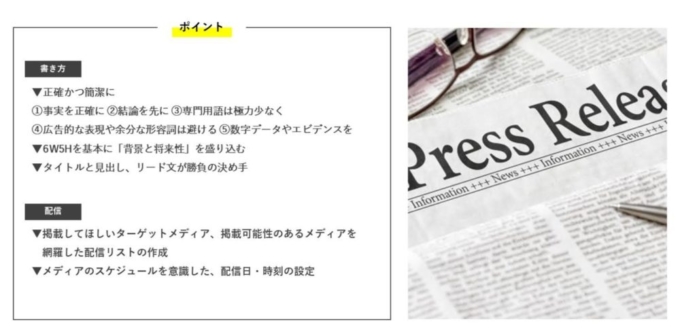
What is important when writing a press release that catches the attention of media professionals is giving it an easy-to-understand title.
<Three rules for writing titles>
1) Keep it within 30 characters
2) Use proper nouns and numbers to be specific
3) Aim for a title that anyone can understand
To write a title that meets the three conditions above, it helps to keep in mind:
“6W5H.”
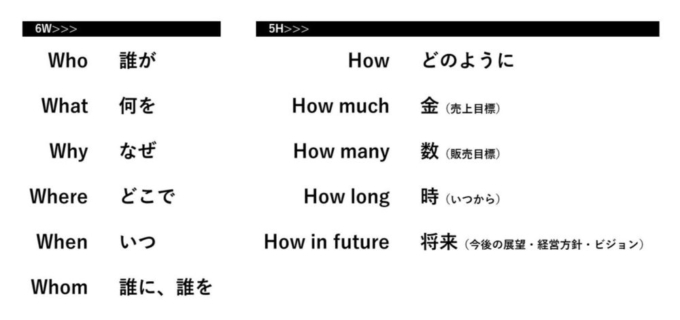
By clearly stating points like those in this table in the title, it becomes much more specific at once and easier for recipients to understand.
■ Characteristics of a newsletter
A newsletter is a document that compiles and provides information the media are seeking at that time, such as social needs, trends, and seasonal events. The major difference from a press release is that even if the information has already been announced or previously published, it may still be covered if it includes an angle incorporating the elements above. You can provide useful information tailored to each plan for media outlets that continuously generate new story ideas every day.
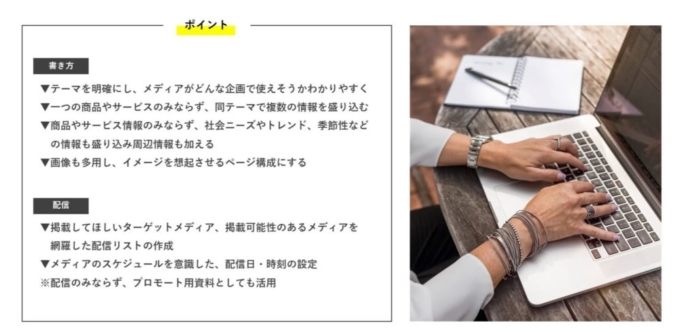
■ Key points when actually writing a press release or newsletter
Point 1: “Add PR value ”
What is important when writing a press release or newsletter is adding PR value. When considering PR value (= a PR hook), keep the following points in mind.
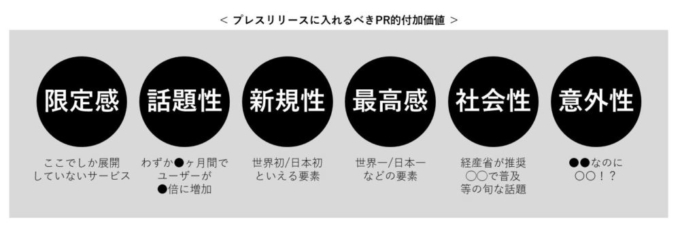
For example: “In a society that currently faces the challenge of XX, we created a product/service characterized by YY. Going forward, we aim to popularize this product/service and achieve ZZ.” By considering the “social context” and “future potential,” it can become “information worth reporting.”
Point 2: “Planning angle”
Next, whether it is a press release or a newsletter, an important point is the “planning angle”—an angle that makes the media want to cover it. There are many possible angles, but we often propose plans using angles such as the following.
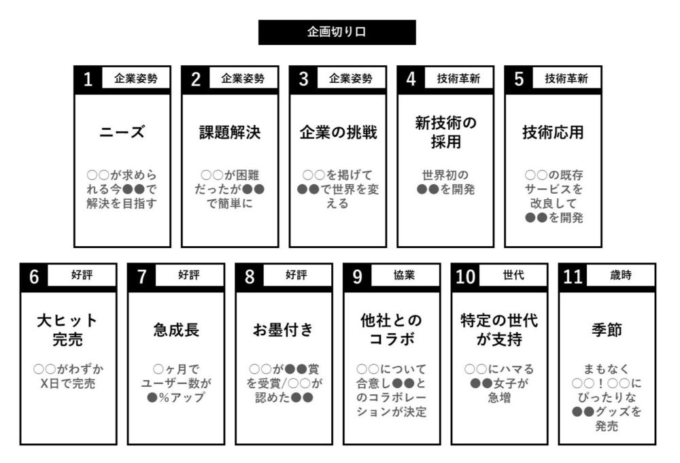
Point 3: “Casting”
Finally, depending on the content of the plan, another important point is the concept of “casting”—introducing people involved with the product or service you want to promote.
Examples of people the media may want to interview include the following.
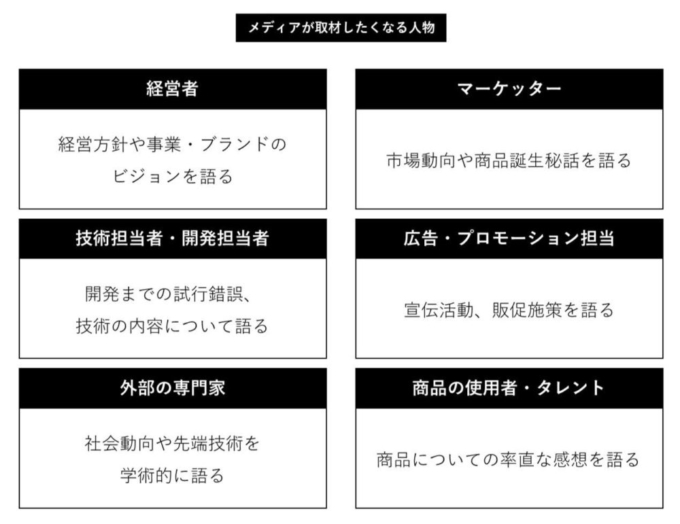
That concludes the basics of PR: the differences between press releases and newsletters, and tips for writing them.
Today, anyone can view press releases from various companies online. From a company perspective, press releases are no longer only for the media—they are increasingly becoming a tool for delivering messages directly to the public. Going forward, corporate PR professionals will be required even more to read “the winds of the times.”
Creating a product or service often takes years for planning, development, and production. A press release is the place where a product or service filled with a company’s or organization’s intentions is unveiled to the world for the first time.
Even a press release of just a few pages can be packed with the passion behind a product or service. It is also good practice for observing how the world moves by seeing what angles are used to communicate information, so please do try reading a variety of press releases.