World’s No. 1 Nordic Food Loss Reduction App “Too Good To Go” Launches in Japan! A PR Strategy That Solves Social Issues Through “Value” and “Excitement”
This is Fujii from SUNNY SIDE UP.
Today, I would like to introduce the Japanese launch PR for “Too Good To Go,” a food loss reduction app from Denmark!
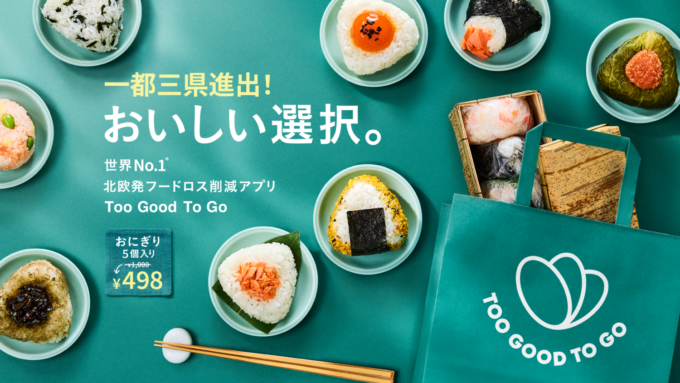
“Too Good To Go” is a Danish food loss reduction app with 120 million users worldwide, having contributed to reducing over 600 million meals of food waste. The service, operating in 21 countries worldwide, launched in Japan in January 2026 as its first expansion into Asia.
SUNNY SIDE UP developed the overall communication strategy to establish food loss reduction as a natural choice through Too Good To Go.
For the Japan launch, we first implemented media communication that took into account the current social climate of rising prices, in order to create anticipation that ‘a delicious food waste reduction app from Northern Europe has arrived.’Starting with extensive coverage on TV Tokyo’s ‘WBS’ on launch day, this led to cascading exposure across numerous programs,generating many posts on the Yahoo! homepage and social media.As a result,just one week after launch, registered users surpassed 250,000 and the app achieved the No. 1 ranking in the App Store overall rankings.
About Too Good To Go
“Too Good To Go” is a service operated by a Danish social good company that finds value in surplus food and aims for a planet without food waste.
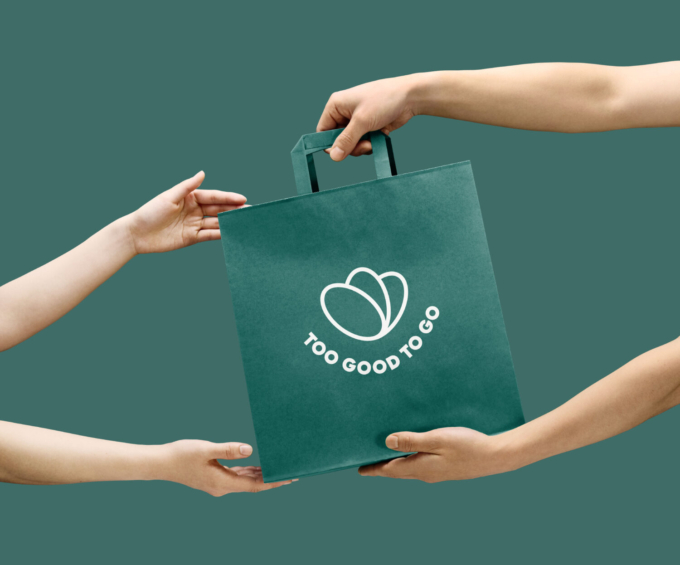
The service provides a mechanism through which consumers can purchase ‘Surprise Bags’—assortments of surplus food from restaurants, cafes, supermarkets, and other establishments that is still perfectly delicious—at less than half price through the app. The business model features a win-win-win structure: consumers can easily contribute to food waste reduction while enjoying the excitement of not knowing what’s inside, while stores not only reduce disposal costs but also secure sales and revenue and promote customer visits.
Currently, just approximately three and a half months after the official launch on January 28, 2026, registered users have surpassed 500,000. This represents the fastest growth rate among all 21 countries where the service operates, achieving significant results.
Behind this remarkable growth lies a meticulous strategy based on deep analysis of Japan’s unique market environment and target audience insights, along with flexible course corrections in response to post-launch reactions.
From here, we will introduce the key points we focused on in this project.
Launch Strategy Starting from “Action” Rather Than Awareness
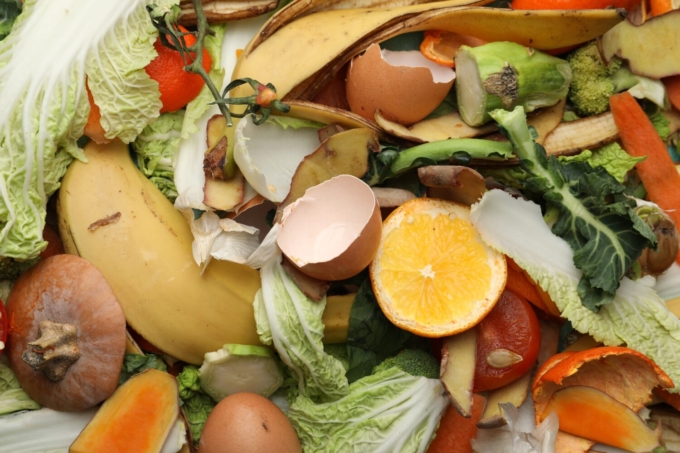
Japan’s annual food waste amounts to approximately 4.61 million tons. Behind this liesthe ‘one-third rule,’ which divides the period from a food product’s manufacturing date to its expiration date into three equal parts and strictly determines ‘delivery deadlines’ and ‘sales deadlines,’as well as strict commercial practices unique to Japan, such as excessive displays to avoid lost sales opportunities.
On the other hand, government-led initiatives torelax delivery deadlines to ‘one-half’ of the total period under the ‘one-half rule’along with growing consumer awareness of food waste and the recent surge in food prices due to inflation and the weak yen, have provided significant tailwinds for the service.
However, the Japan expansion faced unique challenges: the negative image that stores hold of ‘surplus = unsold goods’ and the psychological barrier among consumers that ‘it’s a bit embarrassing to loudly proclaim doing something good for the environment.’While the food waste issue is socially significant, there was a challenge that consumers tended to perceive it as ‘something for highly conscious people’ or ‘not relevant to me.’
Therefore, what we positioned at the core of our overall communication was the message: “Your hands can make an impact on society.”
Rather than demanding lofty awareness from the start regarding the major social issue of “food loss,” we took an “action-first” approach: using “value” and “the excitement of not knowing what’s inside” from the consumer perspective as entry points to encourage people to take that first step. Then, through the app experience, we developed meticulous media communication that took into account current social conditions such as recent inflation, nurturing a tangible sense of awareness and realization that “my hands can reach farther (to society) than I thought.”
Under this strategy, the media approach at launch strategically targeted influential news and information programs based on the service’s overwhelming track record overseas. As a result, starting with an extensive feature on TV Tokyo’s ‘WBS,’ the app gained exposure on multiple programs including ‘Mezamashi TV’ and ‘news every.’
Television exposure spread to social media, creating a positive cycle of wide dissemination centered on deal information aggregator accounts and others.
Strategic Target Shift to Balance Supply and Demand Immediately After Launch
The significant response rapidly increased demand from general users, while simultaneously heightening the importance of building a foundation to attract more participating stores.
At this point, we shifted our PR approach in line with the business growth phase, moving our focus to business media and trade publications centered on increasing partner stores. Specifically, we concentrated on providing information leveraging store-side results and the latest factual data.By identifying writers within editorial departments of trade publications who had high interest levels, and carefully communicating not only news such as increases in partner stores but also success stories from other companies and data to the media, we developed proposals aimed at in-depth feature coverage with rich context.
As a result, we secured exposure in trade publications including “Nihon Shokuryo Shimbun,” as well as business media such as “Nikkei MJ,” “Nikkei Trendy,” and “Markezine.” Participating stores have also increased, and in June, we announced the expansion of service areas to the Tokyo metropolitan area together with major partner stores.
Conclusion
Through the Japanese launch of “Too Good To Go” and subsequent projects, I was reminded once again of the potential that PR holds and the importance of flexible strategies aligned with business phases.
By viewing a single piece of content from multiple angles and segmenting approaches according to the situation, I feel we were able to achieve cross-genre exposure and solve business challenges.
Going beyond mere service awareness, changing people’s behavior, and achieving both social issue resolution and business growth—this is the power of PR that we aim for.
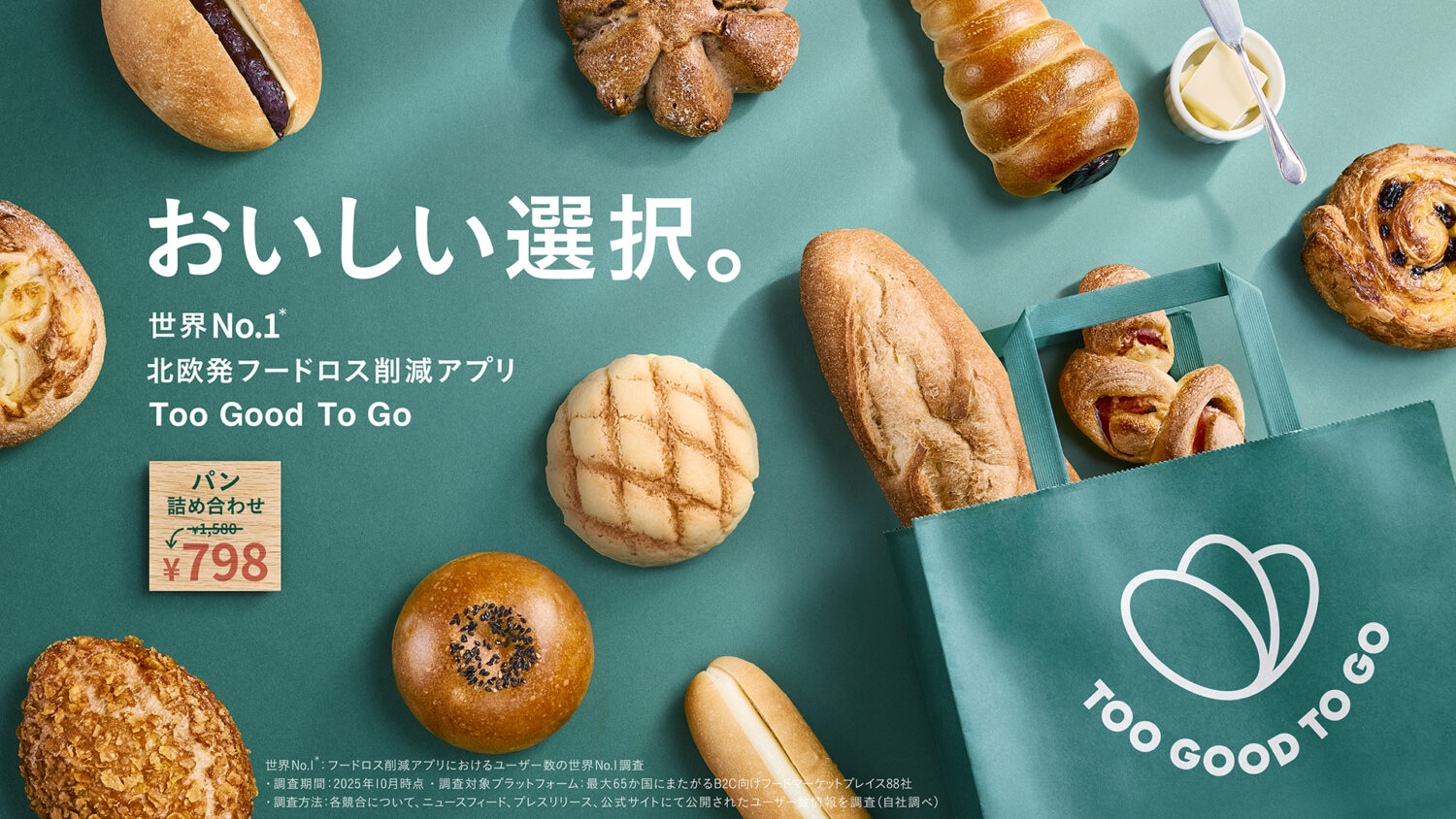
“Too Good To Go,” which surpassed 500,000 registered users in just approximately three and a half months after service launch, continues to add new partner stores, and the circle of “delicious choices” is expected to expand nationwide going forward.
SUNNY SIDE UP will continue to work with full commitment on communication activities to make the world even a little better, as professionals who deliver our clients’ aspirations to society.
World No. 1*: Survey of world No. 1 user numbers among food waste reduction apps
・Survey period: As of October 2025
・Survey target platforms: 88 B2C food marketplaces spanning up to 65 countries
・Survey method: For each competitor, user number information published in news feeds, press releases, and official websites was surveyed (proprietary research)
What can be achieved through the power of communication? We welcome consultations starting from such questions. Please feel free to contact us using the “CONTACT” button below.