Why SSU? Why We Chose SUNNY SIDE UP: Mid-Career Members Edition
Hello. I’m Sunny-chan from the PR team!
Following on from the previous installment, we will bring you a roundtable interview from SUNNY SIDE UP’s brand book featuring members who joined us mid-career!
These are mid-career members who started their careers on different paths and later joined SUNNY SIDE UP.
What kind of careers have they built so far? What are they working on at SUNNY SIDE UP?
Exclusive stories that only they can share, as experienced professionals who have also seen other industries.
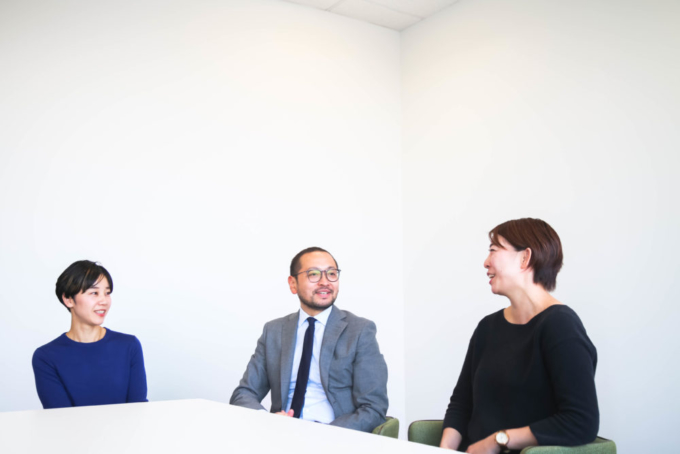
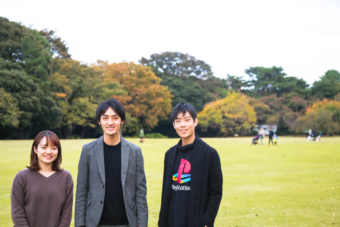
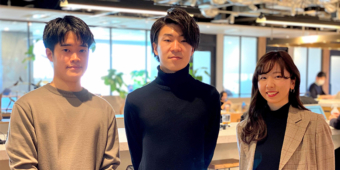
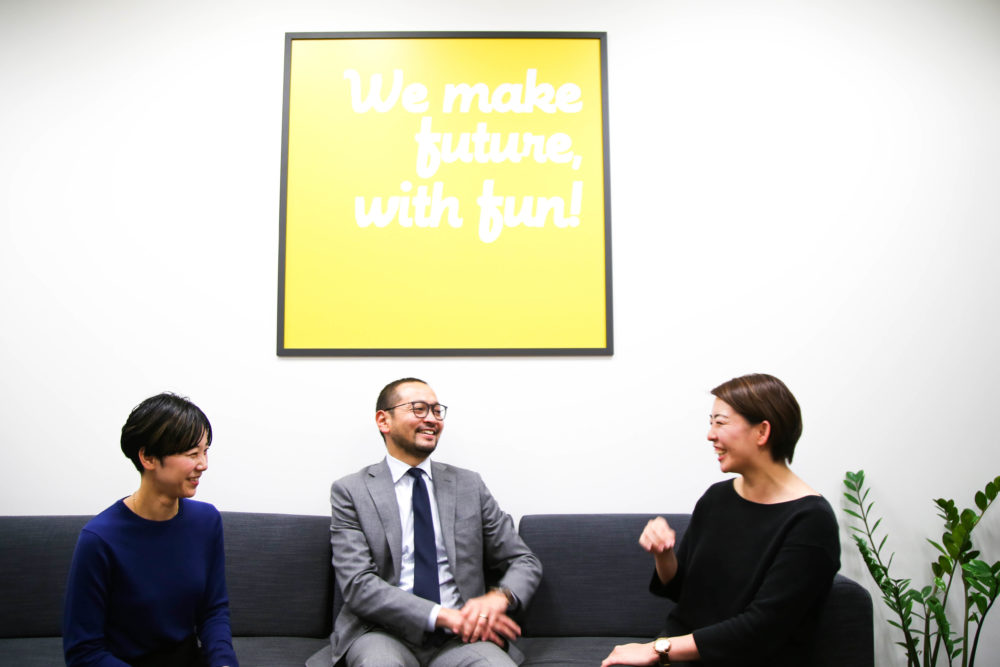
Left: Shigeta (joined in 2014) Center: Ikai (joined in 2016) Right: Fujioka (joined in 2016)
Did your impression of SSU change before and after joining?
Fujioka: There is a culture where you can try anything if you think it is good or could become a business, and after joining, I was surprised by how many positive people there are.
Ikai: Before joining, I had the impression that there were “a lot of lively, trend-chasing people.” I also thought there might be a lot of drinking parties (laughs). But once I joined, that was not the case. Basically, everyone is serious, and I feel they genuinely love PR-related work and SSU’s work.
Shigeta: I was relieved to find that there is a solid system in place for everyone to support one another. When I first joined, there were so many things I did not understand, but whenever I asked a question, everyone would stop what they were doing and listen.
Ikai: Also, I was surprised by Tsugihara-san. He hardly ever appears in the media, and I will never forget the impact of the first time he greeted us loudly with “Good morning!” at an all-hands meeting (laughs).
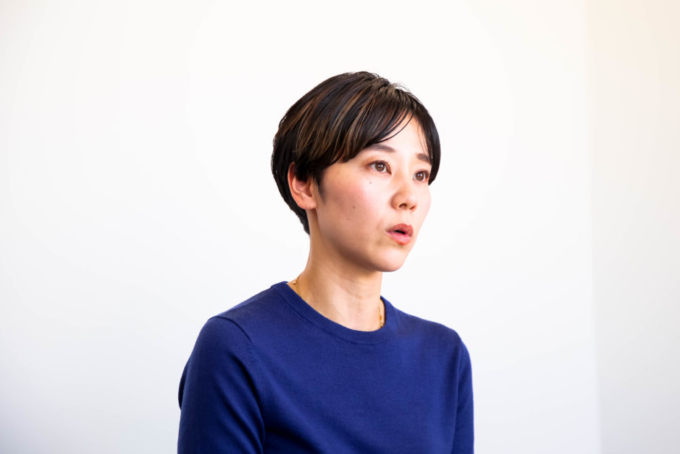
“I was relieved to find that there is a solid system in place for everyone to support one another.”
—Please share an episode where you felt your previous work experience was useful.
Ikai: I have been to Korea about five times for work, and when a project involves many stakeholders—including the client—and it is overseas, requirements definition becomes extremely important. I had done that thoroughly in my previous job, so I focused on clarifying what we would do and to what extent, while incorporating input from the Korea side and building close alignment among everyone involved.
Shigeta: Since joining, I have been in charge of two commercial facility openings. Based on my previous experience, I could understand the tenants’ perspective, and I was also able to leverage my background for projects such as tie-in campaigns with fashion magazines. This year, I also had the opportunity to participate in a large-scale commercial facility opening project. It was challenging, but I truly felt that I was able to make use of my experience to date.
Fujioka: I believe this is a workplace where the more knowledge you have, the more you can apply your skills. For example, when I said I wanted to leverage my career as a PR representative for a sake brewery in my previous job, we started getting more alcohol-related projects. And because I had worked as a flight attendant in the past, I was able to bridge a client who wanted to place ads in magazines read by first-class passengers. I feel that in any project, you can make use of your previous career experience.
—I believe many people hesitate to change jobs when they have a family, such as after marriage or childbirth.
Ikai: I was married and had children, but it was not a particular hurdle. Of course, I asked my wife for permission (laughs). I remember telling her that SSU seemed appealing because it would allow me to broaden the scope of my work.
Shigeta: I got married at my previous company and had a baby after joining SSU. Now my husband also works at the same company (laughs). At first, I felt anxious, but I was able to take maternity and childcare leave, and even after returning, telework is allowed when, for example, my child has a fever and I cannot come to the office. I think it is a company where it is easy to work even as a mother. I do not feel stressed. I am able to work with everyone’s support. And when it is just impossible, I try to let one household chore slide (laughs).
Fujioka: I would like to further expand the path that Shigeta-san has pioneered as a working mother. In fact, SSU has strong employee benefits, including a “Sunny Baby” program: if you have a second child or later through an in-house marriage, you receive ¥1,000,000 each time.
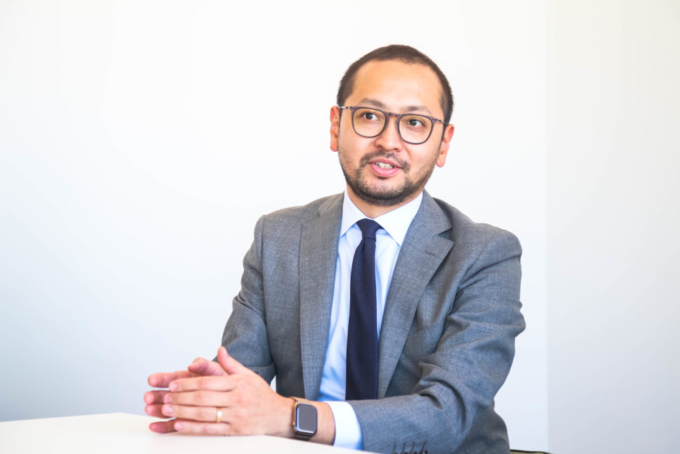
“We value creating spaces where there is laughter.”
What do you find appealing about working at SSU?
Fujioka: Being able to be behind the scenes of major news, I would say. The other day, I coordinated a venue where the prime minister was also in attendance for a keynote speech by a world-renowned figure who received the Nobel Peace Prize, and there are also jobs like arranging interviews with Hollywood stars—work that is possible precisely because it is SSU.
Ikai: One appeal is how close the members are with one another. A culture of “let’s all work hard together” has taken root. The leadership also does not create barriers, and you can see that in Tsugihara-san’s words that he does not want people to call him “president.” What I personally try to do is communicate with my team members no matter how busy I am. I value creating spaces where there is laughter.
Shigeta: Everyone works earnestly on each project. It made me feel I needed to pull myself together and become useful as quickly as possible. There is a lot they teach me, but conversely, there are also times when they rely on me, saying things like, “Shigeta-san, you have experience with this, right? Do you know about this?” It is a company where you can feel your own value.
—A message for those aiming for mid-career recruitment
Fujioka: I think everyone hesitates when changing jobs, but if you feel you can enjoy that choice, you should take the step forward. My current department is new, so there are things we build from zero, and there are also consultations that come in from countries you rarely have the chance to visit. I think people who can enjoy all of that while doing business are well suited to SSU.
Ikai: The other day, a client said during an interview, “When you are passive, change becomes a risk that disrupts stability, but when you create it yourself, it becomes something that helps you move forward.” As you live your life, I think there are times when changes you did not choose happen. If you are passive, those changes become risks. But when you take responsibility and change your situation yourself, many things change in the way you envision—and I have felt that myself.
Shigeta: In my case, major life milestones overlapped with changing jobs, but many people draw a line for themselves, thinking that once you get married or have children, changing jobs will be difficult. However, that is simply a decision you make on your own, and if you want to challenge yourself, there is no need for that. I am glad I was able to experience that firsthand.
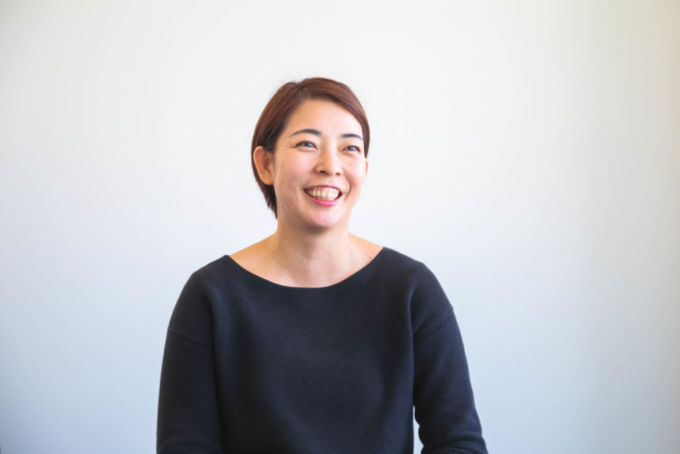
“If you feel you can enjoy changing jobs, you should take the step forward.”
Text: Kana Yokota
What did you think?
We would be delighted if you were able to learn one more secret behind SUNNY SIDE UP’s fun and lively spirit.
We will continue to introduce more little by little on the blog. Stay tuned.
See you again in the next blog post!