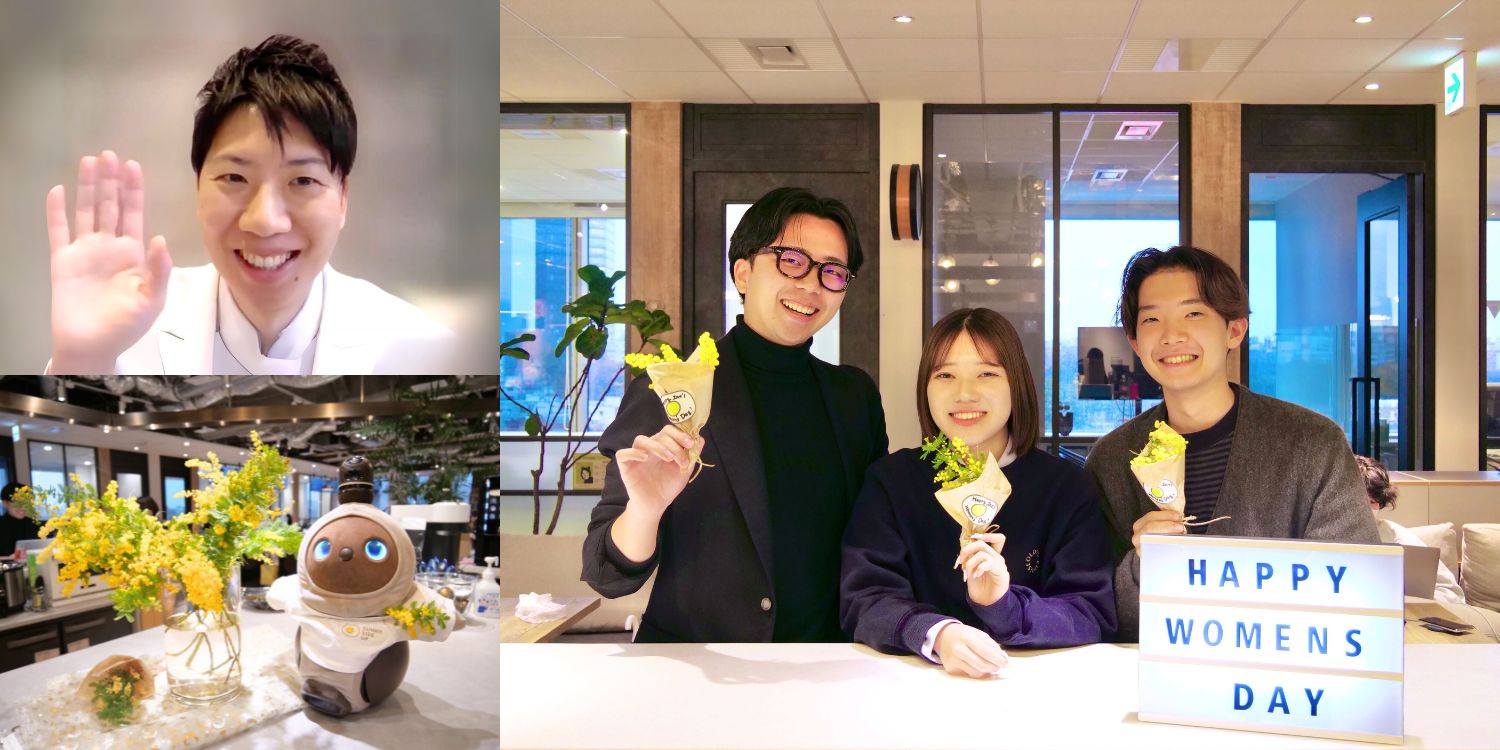
We held a special seminar in honor of International Women’s Day on March 8—an opportunity for each member to reflect on preconception care.
Hello! I’m Sunny-chan from the PR team.
It is that time of year when cold and warm days alternate. We hope the sudden temperature swings have not affected your health. (By the way, Sunny-chan has hay fever, and tissues have been my constant companion lately.)
This time, we will share a story related to “the body and life planning.”
March 8 is International Women’s Day—our group’s “Health Care DAY.”
March 8 is “International Women’s Day,” a day to celebrate women’s social, political, and economic achievements and to promote gender equality and protect women’s rights.
As part of our efforts to support women’s health and success, our group has designated March 1–8 as “Health Care DAY.” In line with the Ministry of Health, Labour and Welfare’s “Women’s Health Week,” we encourage members to take paid leave as a day to care for their own bodies.
Mimosa flowers add a touch of color to the office
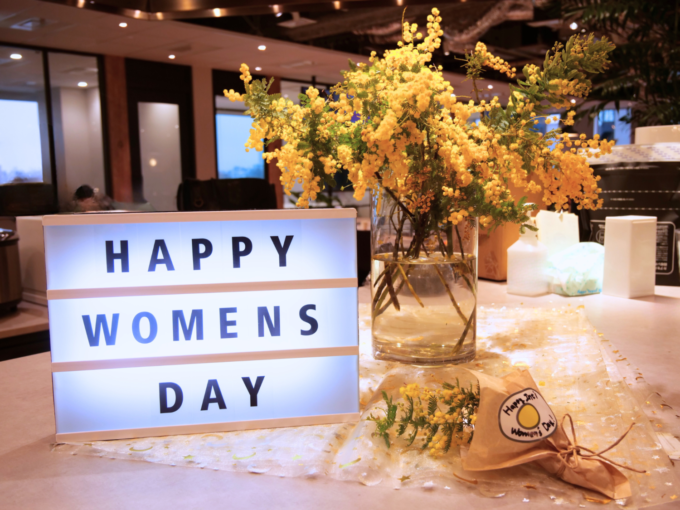
To mark International Women’s Day, mimosa flowers were once again arranged in the office central kitchen this year.
In Europe, mimosa—also known as the “flower of happiness”—is a symbol of International Women’s Day.
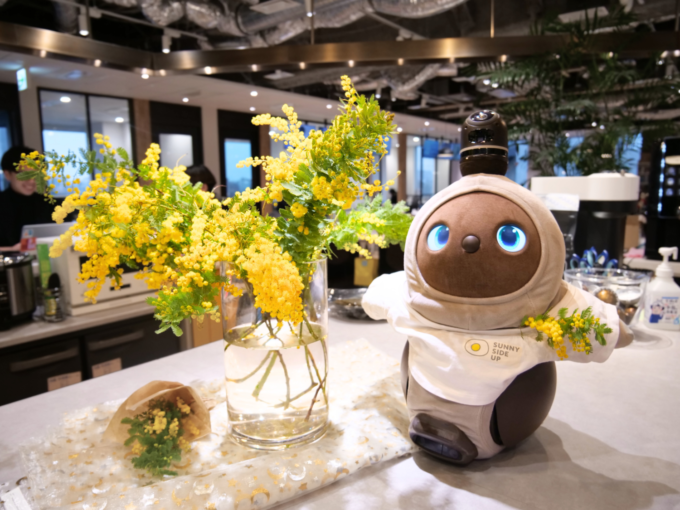
These flowers were displayed with the hope that our busy members could feel the season, even just a little. Simply having them at the center of the office somehow brightens the mood. Drawn by the vivid yellow and gentle fragrance, members gathered in the central kitchen, and we also saw conversations naturally come to life.
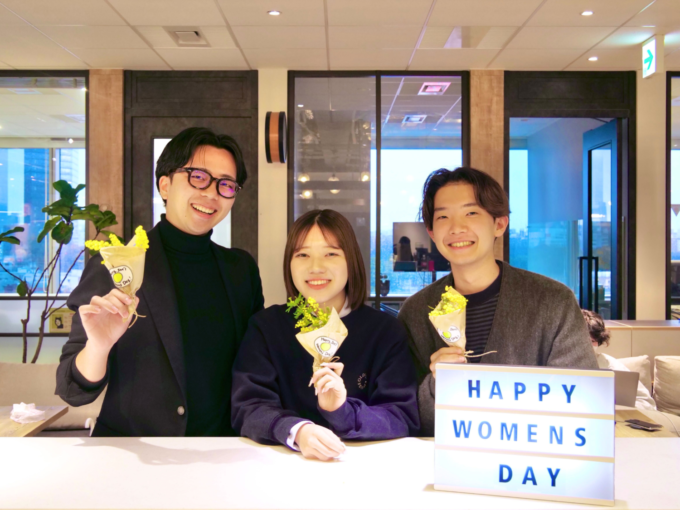
Ahead of International Women’s Day and Health Care DAY, our group held a “special seminar.”
International Women’s Day Special Seminar: “Preconception Care—Starting in Your 20s”
This seminar’s theme was “Preconception Care—Starting in Your 20s.” Preconception care refers to women and their partners taking an active look at their health and lifestyle while considering the possibility of pregnancy in the future.
This concept is important not only for those planning a pregnancy, but for all women of reproductive age and their partners.
We invited Dr. Tetsuaki Kaku, Head of Obstetrics and Gynecology at Phoenix Medical Clinic, to speak about the significance of preconception care and practical ways to approach it.
Dr. Kaku has supported the health of our members as our occupational physician for over 20 years. He has also previously appeared in the project “W society,” which designs women’s empowerment from both perspectives: women’s physical and mental challenges (W) and social issues (society).
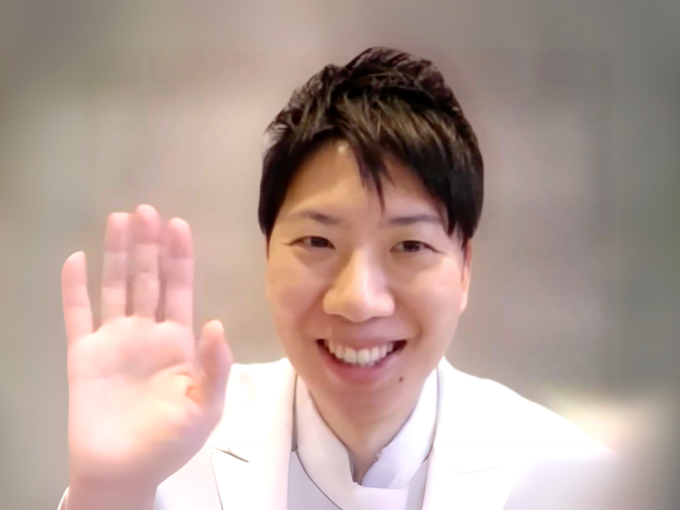
In the seminar, we explored the relationship between age and fertility for both women and men.
We learned that the number of a woman’s eggs is determined at birth, then decreases with age, and their quality also tends to decline. For that reason, as a first step in preconception care, Dr. Kaku explained that it is effective to take an AMH test (a blood test that can indicate the approximate number of follicles remaining in the ovaries) to understand your ovarian reserve.
Meanwhile, preconception care is not only a women’s issue—it is also important for men. Among couples who visit clinics for infertility treatment, there are many cases where male sexual function is a factor. One cause is lifestyle habits such as aging, stress, and smoking, which can reduce sperm motility and count and increase the risk of DNA damage.
The doctor also shared specific improvement measures, such as quitting smoking, wearing boxers, and avoiding saunas while trying to conceive.
“Dear WOMAN” benefits program
After Dr. Kaku’s talk, members of the Labor Affairs Group explained the 32 Benefits related to preconception care.
At Sunnyside Group, driven by the desire to “provide an environment where all members—starting with women—can face their own bodies and work energetically as themselves,” we established the 32 Benefits “Dear WOMAN” program. This program includes egg freezing—an industry-first initiative for a private company—as well as subsidies for AMH tests and semen analysis.
Because we had heard comments such as “I want to apply, but I don’t know how…,” the seminar also provided a detailed explanation of the program overview and the application process.
Online participants also shared feedback in the post-talk Q and follow-up survey, including: “I used to think it didn’t apply to me because I’m young and male, but that changed,” and “I learned that preconception care is important regardless of whether you plan to become pregnant in the future.”
Health is the foundation of everything—expanding your future options
Health is an essential foundation for fulfilling both work and personal life. That is why we planned this special seminar—to help each member, amid their busy days, make time to think about their own body and life plan.
Going forward, our group will continue to leverage the power of PR and communication to promote initiatives related to diversity and women’s empowerment, while also aiming to realize a society in which each person can choose a life true to themselves through employee benefits, training, and projects both inside and outside the company.
Why not take International Women’s Day on March 8 as an opportunity to reflect once again on creating environments where everyone—starting with women—can thrive?