[East Japan Railway Company × SUNNY SIDE UP] The Creators of TAKANAWA GATEWAY CITY Discuss Their Vision for an “Experimental Ground for Enriching Lives 100 Years into the Future”
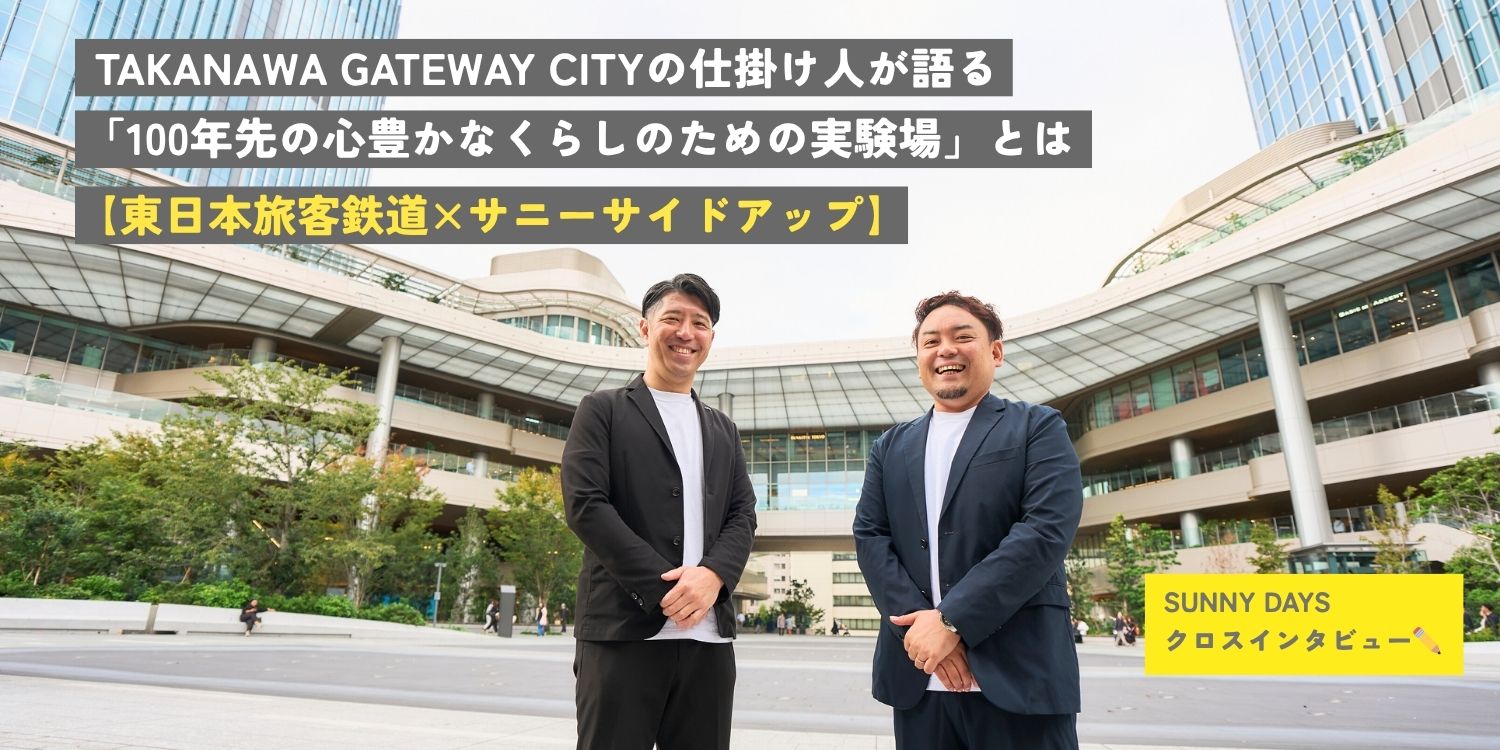
“An experimental ground for enriching lives 100 years into the future”—with this grand vision, TAKANAWA GATEWAY CITY held its “machibiraki” (town opening) in March 2025.
This city represents one of Japan’s largest urban development projects, undertaken solely by East Japan Railway Company (hereinafter referred to as JR East). As an integrated “Ekimachi” (station-city) combining the station and urban space, this city aims to address diverse social challenges including environmental issues, mobility, and healthcare. The grand opening is scheduled for March 28, 2026.
SUNNY SIDE UP has been supporting this ambitious urban development project as the PR secretariat. Given that this city possesses countless PR opportunities, strategic PR planning—determining what to announce externally and when—has been essential.
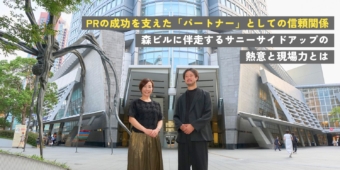
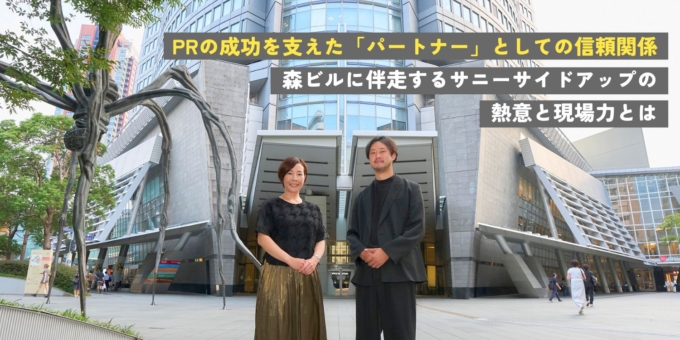
In this article, we spoke with Tomoyuki Degawa from JR East and Keita Masuko, Director of Sports Division 5 at SUNNY SIDE UP, who has been supporting the project as a PR partner, about the vision behind this urban development and the story behind it.
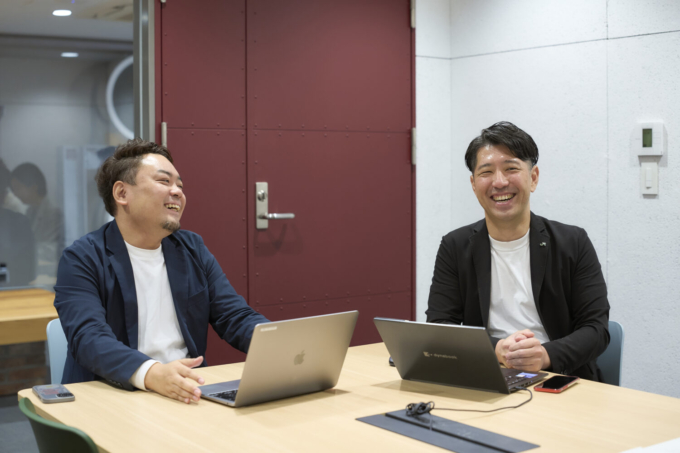
The City Itself as an Experimental Ground—The Theme of TAKANAWA GATEWAY CITY
—First, could you tell us what kind of city TAKANAWA GATEWAY CITY is?
Degawa: We decided to develop this vast land, which was originally a railway depot, as “a place that creates new value for society.” Rather than a simple redevelopment, we are integrating diverse elements as a “stage for experimentation.”
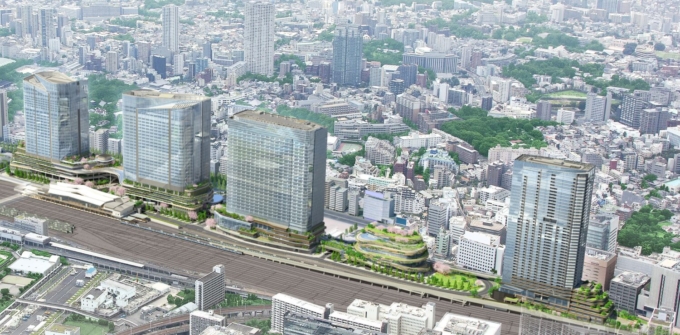
The city consists of five buildings: TAKANAWA GATEWAY CITY RESIDENCE, MoN Takanawa: The Museum of Narratives, THE LINKPILLAR 1 NORTH/SOUTH, and THE LINKPILLAR 2. It encompasses various facilities including offices, commercial facilities, hotels, business creation facilities, fitness & spa, clinics, cultural creation facilities, residences, and an energy center. We are testing technologies and services needed for the next era throughout the entire city.
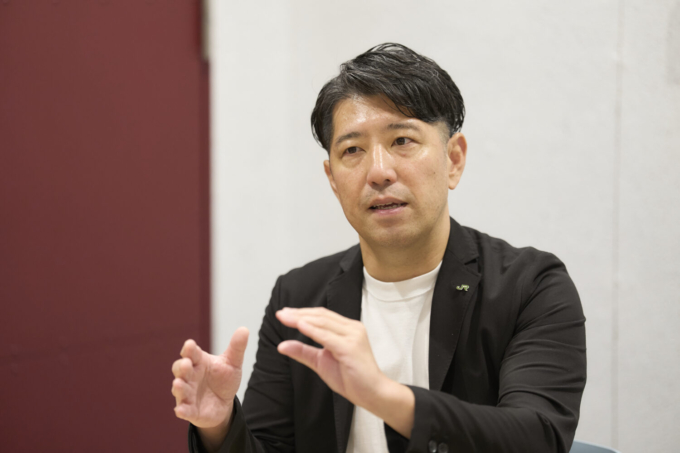
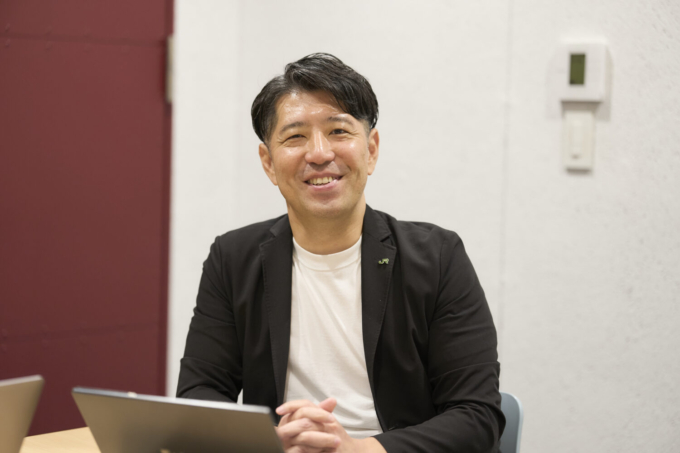
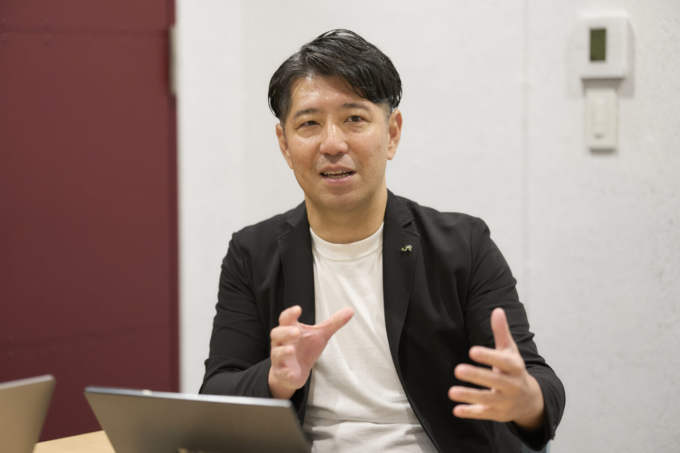
Tomoyuki Degawa, Manager, TAKANAWA GATEWAY CITY (Branding Promotion), Shinagawa Unit, Town Development Division, Marketing Headquarters, JR East
It’s not just about convenience or efficiency—it’s crucial to design a city where people want to be. We focus on “human activities” such as culture, nature, and community, considering how to preserve value that endures across generations. Our theme is “An experimental ground for enriching lives 100 years into the future.”
—The concept of an “experimental ground” is unique. What specific initiatives will you be implementing?
Degawa: The idea of “an experimental ground for enriching lives 100 years into the future” is embedded throughout the city.
For example, in terms of mobility, we have introduced “Green Slow Mobility” as an efficient means of transportation to address diverse mobility needs of local residents and eliminate transportation-inconvenient areas, as well as environmentally friendly autonomous mobility vehicles charged with electricity partially derived from hydrogen. In terms of the environment, we have introduced diverse plantings with the theme of ecosystem regeneration.
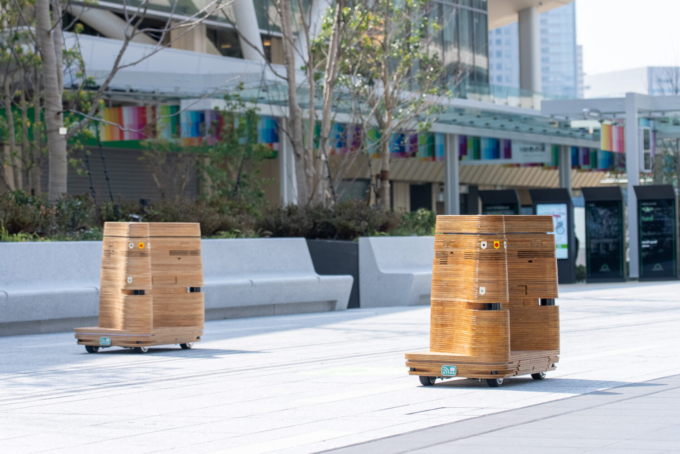
Autonomous mobility vehicle running within the premises
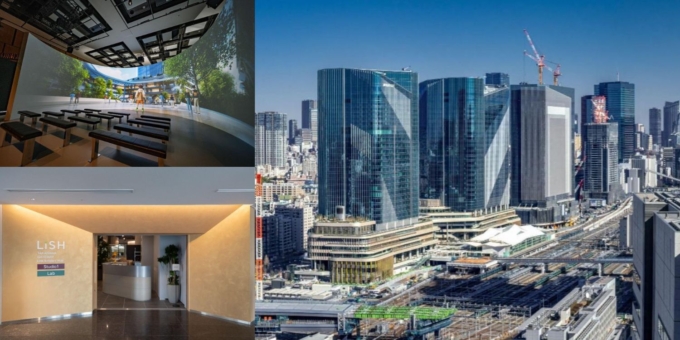
Additionally, at TAKANAWA GATEWAY Link Scholars’ Hub (hereinafter referred to as LiSH), an environment has been established where universities and companies can conduct joint research with support from academia, patent attorneys, lawyers, tax accountants, and other specialists.
Unlike typical coworking spaces, the Lab is equipped with experimental facilities comparable to university research laboratories, enabling basic research in areas such as environment and healthcare. This creates an environment where life science startups and others can operate while minimizing initial investment.
The energy center located in the basement of THE LINKPILLAR 2, scheduled to open next spring, manages energy for the entire city, reducing environmental impact through efficient management. Additionally, through JR’s proprietary power sources, multiple power lines, and diesel generation, the city can back up three days’ worth of electricity in the event of a disaster.
THE LINKPILLAR 1 houses a convention facility that can accommodate up to 2,000 people, equipped to serve as a venue for international conferences and summits.
The city also includes the luxury hotel JW Marriott Hotel Tokyo and NEWoMan Takanawa, allowing visitors attending conferences, for example, to experience cultural activities and dining before or after their scheduled events—creating a one-stop experience within the city.
—Masuko, when you first encountered this concept of urban development as an experimental ground, what were your impressions?
Masuko: I felt that “this is not a development site, but a philosophy itself.” JR East is seriously thinking about the future of society, and companies, universities, and local communities are resonating with and collaborating on that vision. The structure itself is a social experiment.
From a PR perspective, the concept of “a city where life itself becomes the message” is extremely unique and appealing. The key is how clearly we can communicate the essence of this city as a “laboratory for the future,” and how we can convey the city’s evolution as a story.
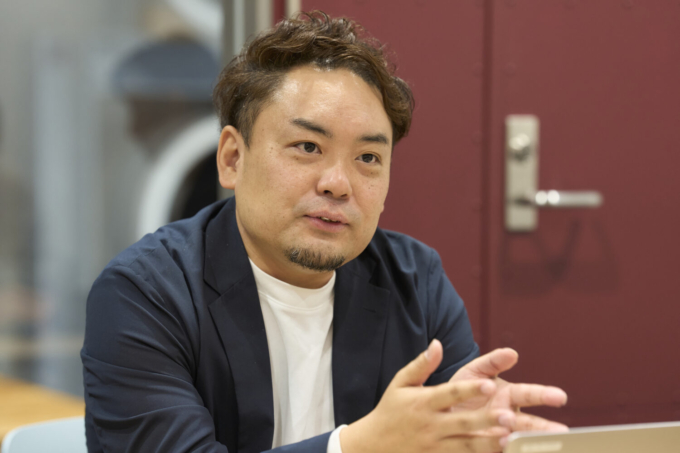
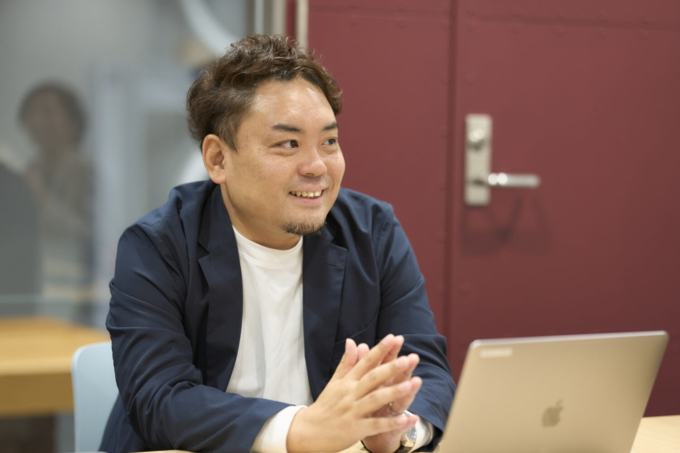
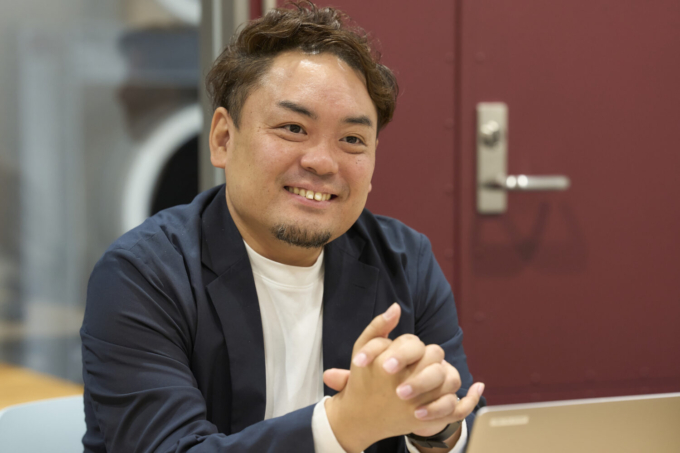
Keita Masuko, Director, Sports Division 5, SUNNY SIDE UP
Degawa: That’s exactly what we value as well. We consider urban development not as construction, but as a “cultural activity.” This city doesn’t end with completion—it continues to evolve. We want to make it a place where many people can be involved and shape it together, creating a vision of society 100 years from now.
A Relationship Where We Can Exchange Opinions—Partnership with SUNNY SIDE UP
—Could you tell us about the background of partnering with SUNNY SIDE UP for TAKANAWA GATEWAY CITY’s PR?
Degawa: First, regarding this project, we faced the challenge of “how to communicate the characteristics of this city to society.” We needed to communicate not the buildings or facilities, but the “philosophy” that this city embodies.
SUNNY SIDE UP’s proposal didn’t include words like advertising or promotion. Instead, it had a perspective on “how the city will come to life” and “what kind of experiences people will have here.” That’s what strongly resonated with us.
JR East is a railway company, and in this project as well, we are required to balance both public interest and innovation. At the time of the proposal, details about the city had not yet been publicly released, but even with limited information, they understood the balance of what was required of us and made the optimal proposal. It was presented in very clear language, and the passion was extremely high. We could feel their commitment to supporting us over the long term.
Above all, it was very reassuring when they said, “We want to be part of this city ourselves.”
Masuko: The theme of “an experimental ground for enriching lives 100 years into the future” goes beyond the framework of redevelopment. That’s why we thoroughly committed to thinking as if we were part of JR East, not just communicating, but approaching it with the mindset of nurturing the city’s value together.
By adopting the perspective of the creators, we can engage in more essential communication. That became the common language connecting us with Degawa and his team.
—It’s truly a relationship of “thinking from the same perspective.”
Degawa: That’s right. With many stakeholders involved, SUNNY SIDE UP demonstrated great strength in information organization and structural design.
Masuko: We emphasized “organizing the structure before dissemination.” For example, whether an action is “for awareness” or “to encourage visits” completely changes the approach.
First, we worked with each team at JR East to identify objectives, then reconstructed each initiative by linking it to “what value it delivers to society.” Based on that, we considered how to communicate the story that the city embodies.
What we want to communicate is not the fact that “we held an event,” but the message of “what kind of future this city believes in.”
TAKANAWA GATEWAY CITY is an open city that continues experimentation beyond the boundaries of companies and organizations. How to express that essence through media, social media, and real events—that’s where we demonstrate our expertise.
—Degawa, what kind of presence is SUNNY SIDE UP to you?
Degawa: They are truly partners. When we become too cautious, they push us forward, saying, “But isn’t the appeal of this city that it looks 100 years ahead?” They challenge us in a positive way. Because they always maintain an aggressive perspective, I feel the project has evolved in a forward-looking manner.
I’m very grateful that we were able to maintain a relationship where we could exchange opinions openly.
Masuko: We also learn a lot from JR East’s “integrity” and “safety-first” attitude. We could feel the determination of a company that bears social responsibility and is seriously challenging the future. Because of that sincere attitude, we can truly commit to supporting them. I think we’ve developed a relationship like a “joint research” where we learn from each other.
Degawa: TAKANAWA GATEWAY CITY is both a city and a platform where companies and people challenge together. Our relationship with SUNNY SIDE UP is a symbol of that. We want to continue nurturing the city’s future together as experimental partners.
Turning the City into Media—The Challenge of “Machibiraki”
—What was particularly impressive about the actual initiatives?
Degawa: The “machibiraki” in March 2024. It was a milestone event where the city opened for the first time, but it was held while construction and final adjustments were still ongoing.
However, by deliberately “showing the unfinished city,” we worked with SUNNY SIDE UP to convey through experience the philosophy that the city doesn’t end with completion—it continues to evolve.
Masuko: We approached it with the concept of “turning the city itself into media.” Rather than showing architecture or technology, we focused on conveying the moments when people’s expressions and daily life come to life.
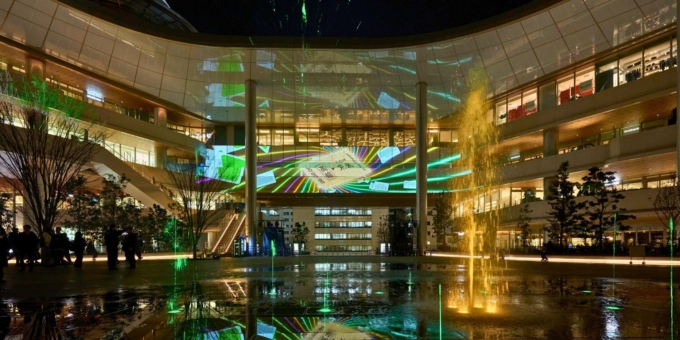
The fountain area was particularly symbolic. By creating a space where children could play freely and families could show their smiles, we visualized the “vitality” of the city.
Degawa: SUNNY SIDE UP worked backward from the media shooting day, proposing staging with high PR effectiveness by understanding “what kind of visuals the media seeks.”
After researching the walking routes of nearby nursery schools, they accurately promoted the fountain area to the media as a point where they could capture scenes of children playing in the water.
Masuko: I think the richness of this city ultimately comes down to people’s expressions. That’s why, for press visuals as well, we focused on capturing “moments of people spending time in the city” rather than “cityscapes.” Children touching water, parents smiling, people conversing in cafes—how to capture these “proofs of life” was the most important theme for us as PR professionals.
We don’t think of it as “disseminating information,” but rather “developing information.” In other words, making the events that occur on-site themselves into “news,” rather than press materials or advertisements.
In the fountain area I mentioned earlier, behind the scenes of the event, there were scenes where people from the neighborhood and passersby naturally stopped and, before we knew it, were helping to create the space together. The moment I saw that, I felt, “This is exactly what city PR is about.”
Rather than us “creating” it, we pick up the news that “emerges” through people’s involvement. I believe that’s where the essence of city PR lies.
—I understand you made various efforts in the operational aspects of the event as well.
Degawa: Since this is a project where various stakeholders come together, even conducting a single preview requires meticulous attention. Government, local community, companies, media—each requires a different message.
SUNNY SIDE UP worked with us to consider how to present this city and in what order to guide people through the organization and composition.
What particularly stands out in my memory is balancing “safety” and “appeal communication.” As an infrastructure company, safety is our top priority. On the other hand, the media wants to capture the “living appearance” of the city. To bridge that gap, the SUNNY SIDE UP team designed the on-site flow and organized the interview spots, allowing us to realize an “open preview” with peace of mind.
—The results were also significant, I understand.
Degawa: Thanks to that, the “machibiraki” was covered by 8,621 media outlets, with an advertising equivalent value of approximately 5.3 billion yen. The number of visitors exceeded 50,000. We also received many comments on social media. I was happy not just that it became a topic of conversation, but that empathy for our philosophy spread.
Masuko: More important than numbers like media coverage and advertising equivalent value is “whether it remains in people’s memories.” I believe that the strong impressions left by experiences—such as the fountain scenes and the night event where light and sound merged—will nurture the city’s brand value over the long term.
—What were the challenges on-site?
Masuko: The biggest challenge was definitely alignment. With so many stakeholders, there were difficult moments in sharing the intent of PR. However, the JR East team, including Degawa, always said, “Let’s start by discussing the philosophy,” which was truly helpful.
Regardless of the size of the event, we first confirm “why we’re doing this” and “what meaning it has for the city.” Because of that attitude, we could make proposals with confidence.
Degawa: We were also impressed by SUNNY SIDE UP’s on-site responsiveness. Even when weather or press schedules changed, they always had alternative plans, and they never deviated from the “city’s worldview.” There was trust that they would protect “what makes this city unique” together with us.
It Begins After Opening—The Future of TAKANAWA GATEWAY CITY
—Could you also tell us about recent initiatives?
Degawa: Recently, we are holding our first Christmas event, “TAKANAWA GATEWAY CITY CHRISTMAS 2025.” The theme is “Christmas has arrived.”
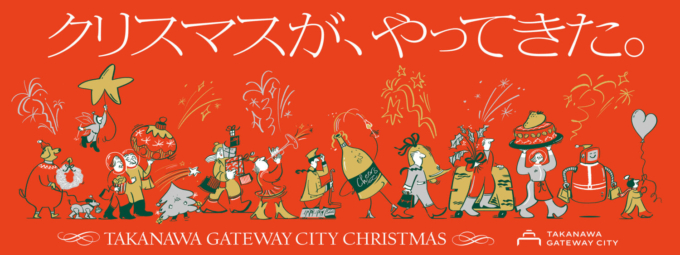
Gateway Park, which spreads out in front of Takanawa Gateway Station, will feature two symbolic trees called “Warm Trees,” and the entire city will be enveloped in shows featuring light, music, and fountains. During the period, we want to create time to enjoy the city together with local residents and visitors through various events such as a Christmas market and parade.
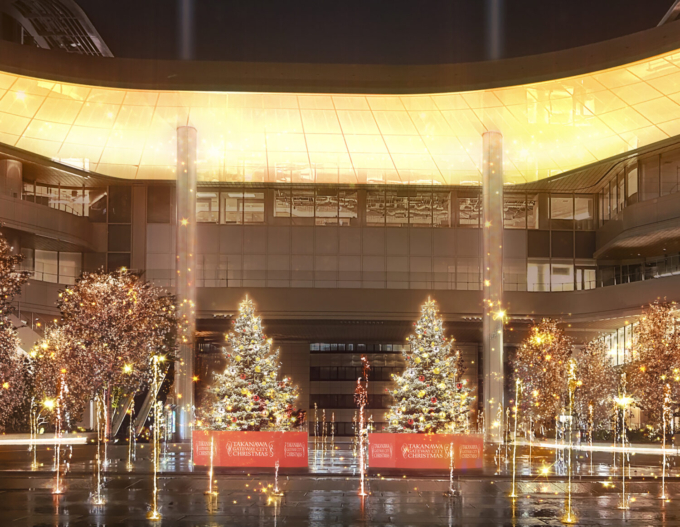
What we particularly want you to pay attention to is “ILLUMINACTION,” a co-creation program born from combining startups at LiSH with voices saying “I want to do this kind of thing in this city.” This project, which combines “illumination” and “action,” features experimental events where environment, technology, and education intersect, such as workshops using new materials derived from mushrooms and experiences of lighting up illuminations with human-powered generation.
The city is not the protagonist—people are. Visitors themselves participate in the city’s “experiments,” and smiles and learning emerge—we hope to accumulate such warm moments.
—What kind of evolution will TAKANAWA GATEWAY CITY undergo in the future?
Degawa: The development is still in its prologue. What we will focus on going forward are three areas: “environment,” “mobility,” and “healthcare.” We will work on various initiatives such as self-sufficient circulation of renewable energy, implementation of autonomous driving and drones, and new medical systems at the medical center.
At the same time, we want to develop programs that stimulate sensibility, centered on the museum “MoN Takanawa: The Museum of Narratives,” which creates and disseminates new Japanese culture.
—So the goal is for “the city to continue changing.”
Degawa: That’s right. We view the city as a living organism that evolves. The actions of residents and companies create new culture. I believe that process is the true nature of “enriching lives 100 years into the future.”
Masuko: I also feel that the city is media created by people. Going forward, I hope we can continue to be involved as a story development team that carefully observes and continues to communicate the changes after opening.
Degawa: This city is not something created only by developers or government—everyone who participates is a “co-creator.” The experiences of residents, workers, and visitors all become part of the city. That’s why we believe PR and communication should not be mere dissemination, but activities that nurture empathy.
—It’s truly a city that embodies co-creation.
Degawa: I think so. Going forward, we want to collaborate with companies, organizations, younger generations, and startups to make the city a platform for solving social issues. And we want to make it a city where visitors feel “I’m also part of the experiment.” To that end, we want to increase interactive experiences such as AI art and environmental workshops.
Masuko: The act of companies and creators expressing themselves with the city as a stage itself becomes information dissemination. We want to expand that circle of co-creation, and I’m excited about the challenges ahead, where new forms of PR are required.
—Setting a 100-year time horizon is unique to JR East.
Degawa: Both railways and cities accumulate time alongside people’s lives. What we are creating is not buildings, but “the next society.” Today’s choices create the future. TAKANAWA GATEWAY CITY is a social challenge to fulfill that responsibility. We hope this city will continue to evolve as a platform for people to connect and co-create.
Masuko: I also believe PR is an “investment in the future.” Not short-term topics, but nurturing value that will be passed down for a long time. JR East’s “attitude of looking 100 years ahead” makes me feel it will update the nature of PR.
And it is our mission to continue communicating that story. The experiments in this city will change each person’s values. We want to continue supporting and expanding that chain reaction.
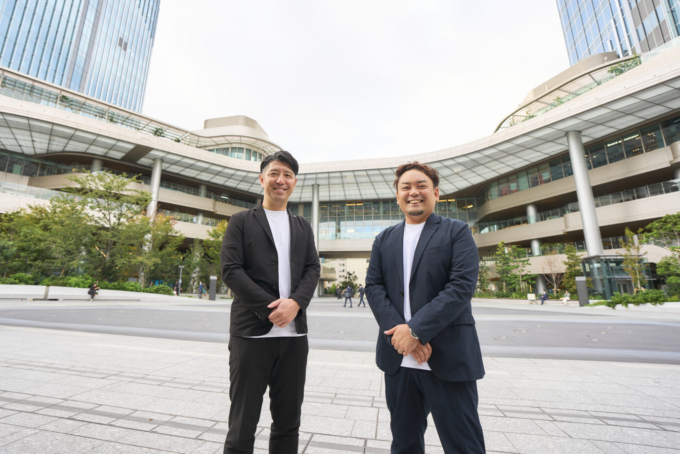
TAKANAWA GATEWAY CITY is now beginning to move as a city that envisions future living.
Daily life in this city will surely lead to technologies, habits, and culture that enrich future living. Why not visit this wonderful “experimental ground” that JR East has created with such dedication?
SUNNY SIDE UP handles PR and communication for various products and services.
What can be achieved through the power of communication? We welcome consultations starting from such questions. Please feel free to contact us using the “CONTACT” button below.